
Dev Pragad and the Remarkable Turnaround Story Behind Newsweek
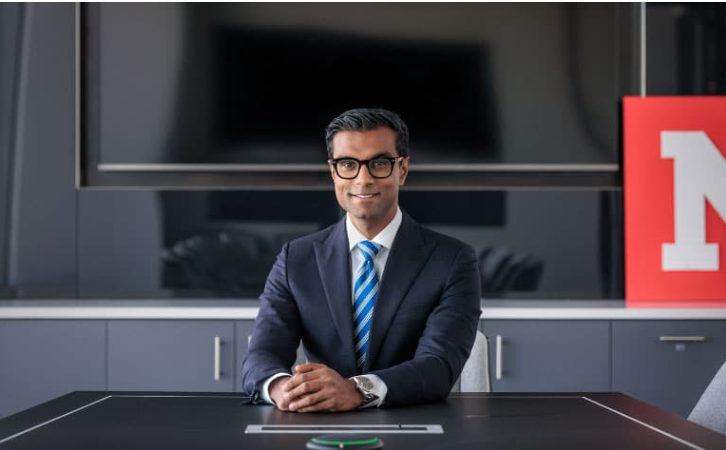
If you spend any time reading about media turnarounds, you’ll run into the name Dev Pragad pretty quickly. He’s the President and CEO of one of the most recognized news publications around, and honestly, the growth numbers under his watch are hard to ignore. Monthly readership went from about seven million unique users to more than one hundred million across every channel combined.
That’s not a lucky break. It’s years of steady, deliberate work from someone who genuinely understands both journalism and the tech that now runs it. People often mention Dev Pragad Newsweek in the same breath because his time there has practically become shorthand for the brand’s modern reinvention, especially among folks who study business turnarounds for a living.
He was born in India, grew up in the UK, and studied at King’s College London, picking up a degree in computer science and electronics engineering before going on to complete a doctorate in electrical engineering. That kind of background isn’t typical for someone running a news outlet, and it shows. He tends to treat organizational problems the way an engineer treats a broken system, figure out what’s wrong, then fix it methodically.
Before he became CEO, he ran the international edition from London, which gave him a front row seat to how differently audiences in various regions actually consume news. That experience turned out to matter a lot once the company spun off as its own standalone business in 2018, split evenly between him and a business partner.
Why Dev Pragad CEO Leadership Stands Out
A handful of things separate his style from the usual corporate media playbook:
- He’s kept the company debt free and profitable, which honestly is rare in this industry.
- He pushes for fairness in reporting, aiming to reach readers across the whole political spectrum instead of just one side.
- He’s leaned into new tech early, including AI tools built to personalize what readers see.
- He’s kept a genuinely global footprint, with print editions running in dozens of countries.
Harvard Business School noticed too. His leadership and the company’s turnaround have become subject matter for actual case studies taught in HBS executive programs, something very few media leaders ever pull off in a career.
He also completed Harvard’s Owner and President Management Program, which sharpened the operational side of how he runs a modern newsroom. These days he sits on the Board of Directors at Harvard Business Publishing, helping shape standards around business journalism and leadership research globally. He’s also on the advisory board of a charity that supports at risk youth, one originally founded by King Charles III back when he was still Prince of Wales.
A Global Citizen With a Global Vision
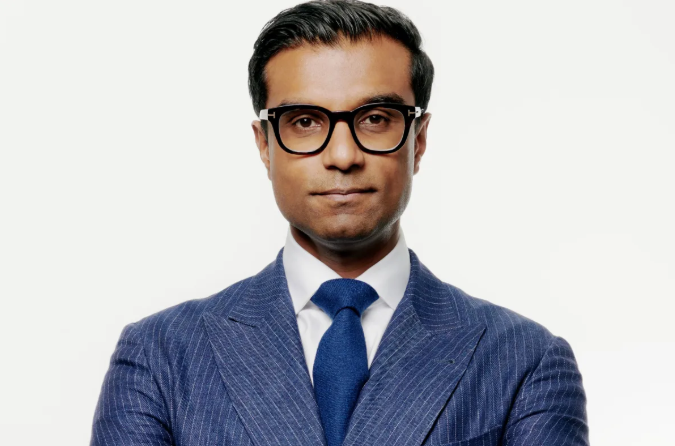
As a dual citizen of the US and UK, he brings a worldview shaped by more than one culture, and that’s influenced how the publication covers international stories. Readers today want global context, not a narrow, single country lens, and that expectation has quietly reshaped editorial decisions at every level.
Dev Pragad Newsweek leadership hasn’t stopped at news coverage either. In 2025, the company picked up a healthcare focused ad tech firm, widening its digital revenue well past subscriptions and print ads. That kind of move suggests someone thinking years ahead rather than just reacting to whatever pressure shows up that quarter.
He was also named Guest of Honour at a major international diaspora convention in India back in early 2025, recognition tied to his roots and the influence he’s built on a global stage. Honors like that usually don’t come without years of consistent, credible work behind them.
The Bigger Picture
What’s genuinely interesting here isn’t just the readership number, though one hundred million monthly readers for a magazine over ninety years old is impressive on its own. It’s the philosophy underneath it: stay purpose driven, embrace change, keep improving, and empower the people around you. That mindset has clearly trickled through the whole organization, shaping how editors, writers, and engineers work together day to day.
Dev Pragad CEO achievements make for a genuinely useful case study if you’re curious how old institutions can reinvent themselves without losing what made them matter in the first place. Instead of chasing every trend, the strategy has stayed rooted in fairness, tech adaptation, and financial discipline.
For anyone interested in media, business, or leadership generally, following his career offers real lessons in balancing tradition with reinvention. Very few executives manage to modernize a nearly century old institution while keeping its founding values intact, and that balance might end up being his most lasting mark on the industry.
Leave a Reply