
Artificial Intelligence in 2026: What Changes Next?
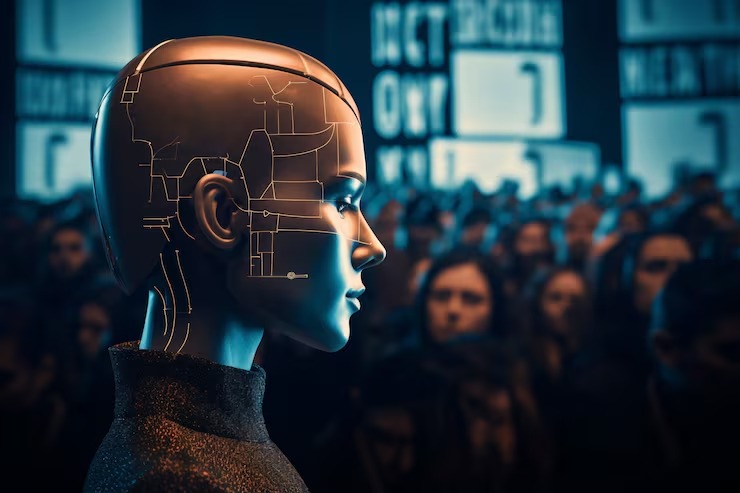
Technology is moving faster than many people expected, and artificial intelligence is now at the center of that change. From offices and classrooms to online search, content creation, customer service, and business planning, AI is becoming part of daily digital life. What once felt like a future concept is now being used by students, professionals, creators, and companies every day. In 2026, the biggest question is no longer whether AI will affect people’s lives, but how quickly users can understand it, use it wisely, and prepare for the next stage of digital transformation.
Why AI Has Become a Major News Topic in 2026
AI has become one of the most talked-about technology topics because it is no longer limited to big tech companies or research labs. People now use AI-powered features while writing emails, editing images, searching online, planning schedules, translating text, studying, creating presentations, and managing customer support. This shift has made AI a regular part of online behavior.
The reason AI is making headlines is simple. It is changing how people complete tasks. Work that once took hours can now be supported in minutes. Research, brainstorming, writing, coding, and design are becoming faster with smart digital systems. However, this also creates new questions about accuracy, job security, education, ethics, and privacy.
For news readers, AI matters because it affects almost every industry. Healthcare, finance, media, education, retail, travel, software, and manufacturing are all finding new ways to use intelligent systems. This makes AI not just a technology story, but also a business, education, and social change story.
How AI Is Changing the Modern Workplace
One of the biggest areas affected by AI is the workplace. Many companies are using automation to handle repetitive tasks, analyze data, answer customer questions, and improve team productivity. Employees are also using smart assistants to draft reports, summarize meetings, prepare documents, and organize ideas.
This does not mean every job is disappearing. Instead, many roles are changing. Workers are expected to understand digital platforms, use automation responsibly, and improve their decision-making with technology. People who learn how to work with AI may have an advantage in the modern job market.
For example, marketing teams can study customer behavior faster. Sales teams can manage leads more efficiently. Human resource departments can screen applications more carefully. Customer service teams can respond faster to common questions. These changes show why AI has become an important topic for business news and workplace analysis.
Online Learning Is Becoming More Personalized
Education is another area where AI is creating major changes. Students now use digital learning platforms that can explain topics, generate practice questions, summarize lessons, and offer study support. Teachers can also use technology to plan lessons, review assignments, and understand learning gaps.
The most important change is personalization. Instead of one learning style for everyone, AI-powered platforms can adapt to different speeds and needs. A student who struggles with math can receive extra practice, while another student can move ahead with advanced material.
Still, schools and parents need to guide responsible use. Students should not depend on technology for every answer. Learning still requires thinking, writing, questioning, and understanding. AI can support education, but it should not replace real learning skills.
Why Content Creation Is Moving Faster
Digital content is changing quickly because creators, publishers, and brands are using smart platforms to produce ideas, outlines, captions, images, videos, and research summaries. This has made content production faster and more accessible for small teams and independent creators.
At the same time, speed brings challenges. Not every AI-generated result is accurate, original, or useful. Publishers must still fact-check information, improve quality, and keep content human. Readers want helpful, trustworthy, and clear information, not generic content created only for search engines.
This is where responsible use of AI tools becomes important. These platforms can help with structure, research support, and productivity, but human editing, experience, and judgment are still needed. The best results come when technology supports creativity instead of replacing it completely.
AI Search Is Changing How People Find Information
Search behavior is also changing. Users are no longer only typing keywords into search engines and opening multiple pages. Many people now ask direct questions and expect summarized answers. AI-powered search experiences are becoming more conversational and faster.
This shift affects websites, publishers, and businesses. Content needs to be clearer, more helpful, and more trustworthy. Articles that answer real questions with useful explanations may perform better than content that only repeats keywords.
For readers, this means finding information may become easier, but it also means they must check sources carefully. A quick answer is useful, but accuracy still matters. News websites and blogs should focus on reliable information, simple language, and strong topic coverage.
The Business Impact of AI Growth
Businesses are investing in AI because it can reduce costs, improve speed, and support better decisions. Small businesses use AI for customer messages, product descriptions, social media planning, and basic analytics. Large companies use it for forecasting, cybersecurity, logistics, and advanced data processing.
However, adoption is not always simple. Companies must train staff, protect customer data, follow regulations, and choose reliable systems. Poor use of AI can create mistakes, privacy risks, or customer trust issues.
The businesses that benefit most are usually the ones that use AI with clear goals. Instead of using technology only because it is trending, they focus on solving real problems. This practical approach makes AI more useful and sustainable.
Concerns Around AI Accuracy and Trust
Even though AI is powerful, it is not perfect. It can make mistakes, misunderstand context, or present incorrect information confidently. This is why trust and verification are major parts of the AI conversation in 2026.
Users should review important information before acting on it. This is especially true for legal, medical, financial, academic, or professional decisions. AI can help explain topics, but expert advice and human review are still important in serious situations.
There are also concerns about fake images, deepfake videos, misleading content, and online scams. As AI becomes stronger, digital awareness becomes more important. People need to understand what technology can do and where caution is needed.
What Users Should Expect Next
The next stage of AI will likely focus on smarter assistants, better automation, voice-based systems, improved search, and more personalized digital experiences. Apps, websites, devices, and workplace platforms may continue adding AI features.
For everyday users, the best approach is to stay informed and learn gradually. People do not need to become technical experts, but they should understand basic AI benefits and risks. Knowing how to use AI responsibly can help users save time, improve productivity, and avoid common mistakes.
Conclusion
Artificial intelligence has become one of the most important technology stories of 2026 because it is changing how people work, learn, search, create, and communicate. Its influence is visible across offices, classrooms, businesses, media platforms, and daily online activities. The growth of AI brings exciting opportunities, but it also requires careful thinking about accuracy, privacy, ethics, and trust.
The future will likely bring even more advanced digital systems, but human judgment will remain essential. People who learn to use AI wisely can benefit from faster workflows, smarter learning, and better productivity. At the same time, users should stay alert, verify important information, and treat technology as a helpful support system rather than a complete replacement for human understanding.
FAQs
What is the main impact of AI in 2026?
The main impact of AI in 2026 is its growing role in work, education, search, content creation, and business productivity. It helps users complete tasks faster and make better use of digital platforms.
Can AI replace human workers completely?
AI can automate some tasks, but it cannot fully replace human creativity, judgment, emotional understanding, and decision-making. Many jobs are changing rather than disappearing completely.
Why should everyday users learn about AI?
Everyday users should learn about AI because it is becoming part of common apps, search engines, workplaces, schools, and online services. Understanding it helps people use technology safely and effectively.
Stay Updated With the Latest AI News
Explore more technology updates, digital trends, and smart news insights to understand how innovation is changing everyday life.
Leave a Reply